How Can US and EU Fitness Brands Create an Accurate Activewear Size Chart?
US and EU fitness brands should build an activewear size chart from body measurements, product fit and sample testing—not from a simple US-to-EU conversion. Sports bras, leggings, tops and one-piece garments need different measurements, so each product type should be checked by size before bulk production.
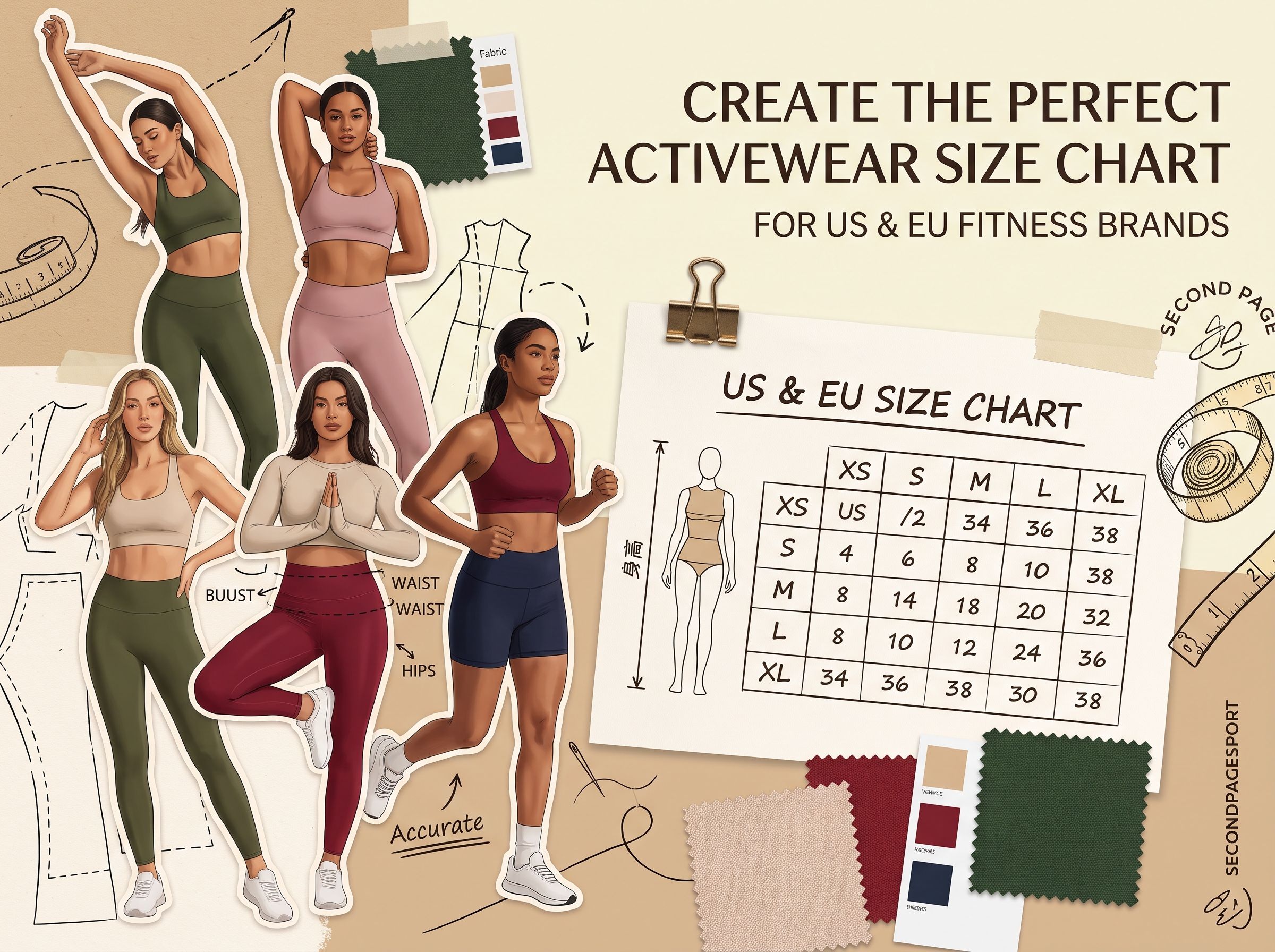
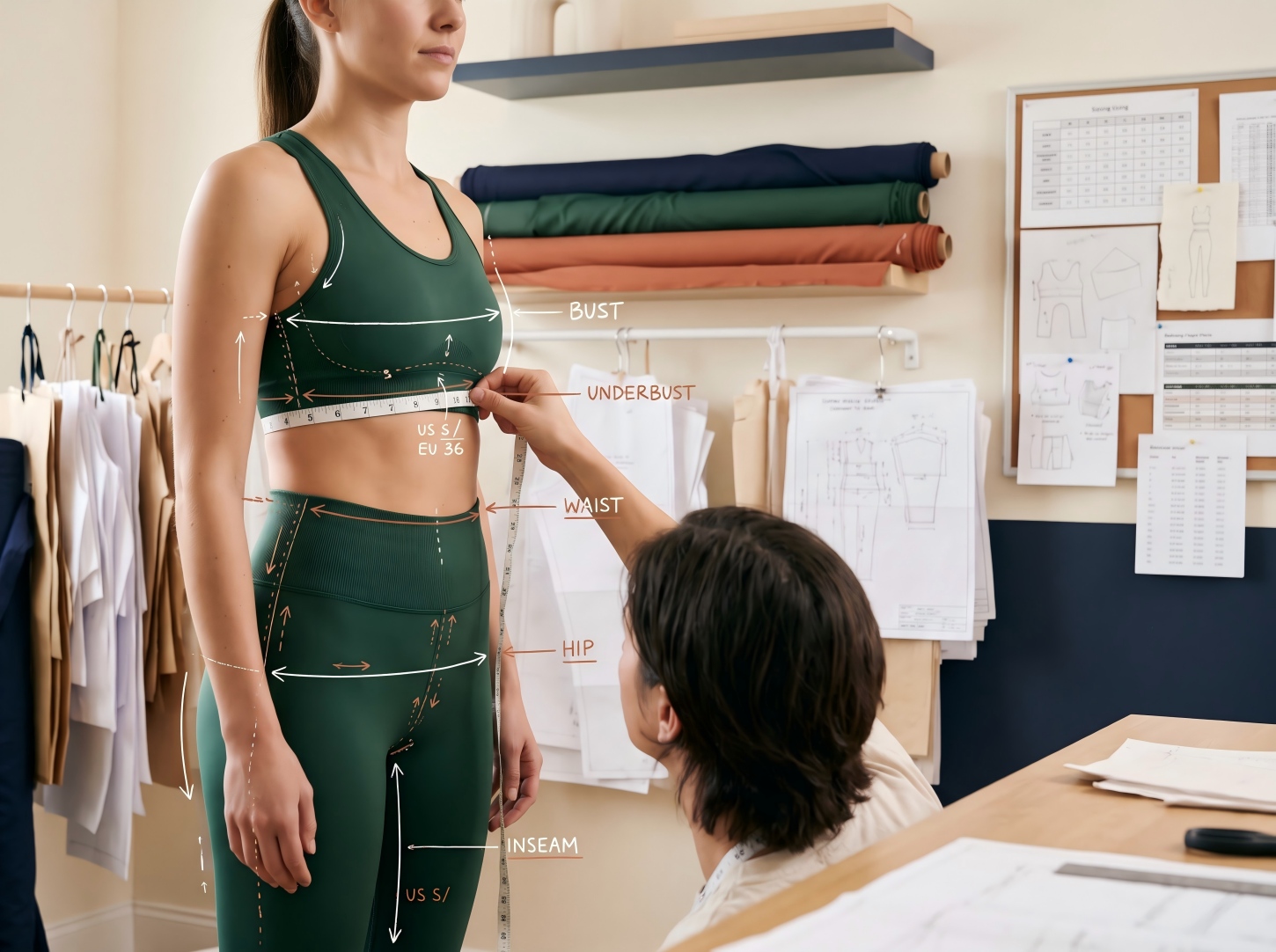
A practical chart should show bust, underbust, waist, hip, inseam and body length where relevant. The chart should reflect the target market, fabric stretch, intended activity and fit confirmed on the sample.
Why activewear sizing is different from regular clothing?
Activewear sizing is a measurement system that connects garment dimensions with the movement, support and fit requirements of a specific product. A regular fashion size chart may not provide enough information for a sports bra or high-waisted leggings.
Yoga clothing often needs comfortable stretch and smooth movement. Gym training products may need closer support, while running garments may require freedom of movement and reduced friction. Athleisure pieces can use a more relaxed fit. These are product decisions, not universal rules for every style.
Which measurements belong in an activewear size chart?
The correct measurements depend on the product category:
| Product type | Key measurements to confirm |
| Sports bra | Bust, underbust, strap position and band fit |
| Leggings | Waist, hip, rise, inseam and finished length |
| Sports top | Bust, shoulder, sleeve length and body length |
| Bodysuit | Bust, waist, hip, torso length and inseam |
Measure the body with a soft tape rather than relying only on an existing garment. Keep the tape level and do not pull it tightly. Record the method so the brand, sample team and factory use the same information.
For a private label sports bra manufacturer, this measurement record helps connect the target market with the exact bra style being sampled.
How should US and EU sizing be handled?
US and EU sizing should be treated as market references, not a universal conversion formula. A numerical conversion can help a customer begin, but it cannot replace the actual measurements of a specific product.
A brand can use one primary system based on its main sales market and add a second market reference for international shoppers. Each product page should show body measurements, the model’s worn size, and whether the fit is compression, close-fitting or relaxed.
Do not use one chart for every category without checking the pattern and sample. A sports bra depends on bust and underbust measurements, while leggings depend more heavily on waist, hip and inseam. A set may also require separate top and bottom size choices.
How should different activewear products fit?
Sports bras
A sports bra should stay stable around the underbust without persistent pressure. The bust should not spill over the top or sides, and the cups should not leave an obvious gap. Strap placement, back construction and support level should be checked during movement.
Leggings
Leggings should remain secure at the waist without rolling or sliding. The hip and thigh area should not be stretched beyond the intended fit, and the finished length should match the target customer profile. Squat and movement checks can identify transparency, pulling and recovery issues. Brands working with a custom workout leggings manufacturer should confirm the chart after sample fitting.
Sports tops and sets
For tops, check shoulder width, chest ease, arm movement, sleeve length and body length. Different fit preferences may be needed for tanks, training tops and outer layers. A set may require separate top and bottom size choices.
How to validate the chart before bulk production
Use this five-step review process:
1. Define the customer and market: confirm sales countries, activity and expected fit.
2. Select test sizes: include a smaller, middle and larger size where practical.
3. Test different body proportions: record height, body measurements, sample size and movement feedback.
4. Check problem areas: note pressure, slipping, rolling, transparency, restricted movement and length.
5. Approve the chart by style: keep confirmed measurements with the sample and production specification.
Secondpagesport's product category pages state that US, AU and European size charts can be adjusted according to buyer requirements. They also ask buyers to provide the style, quantity, target market, size range, logo method, packaging and delivery country for a quotation. These details support a manufacturer discussion, but the final chart still needs to be confirmed for the selected product.
What should a brand send to a manufacturer?
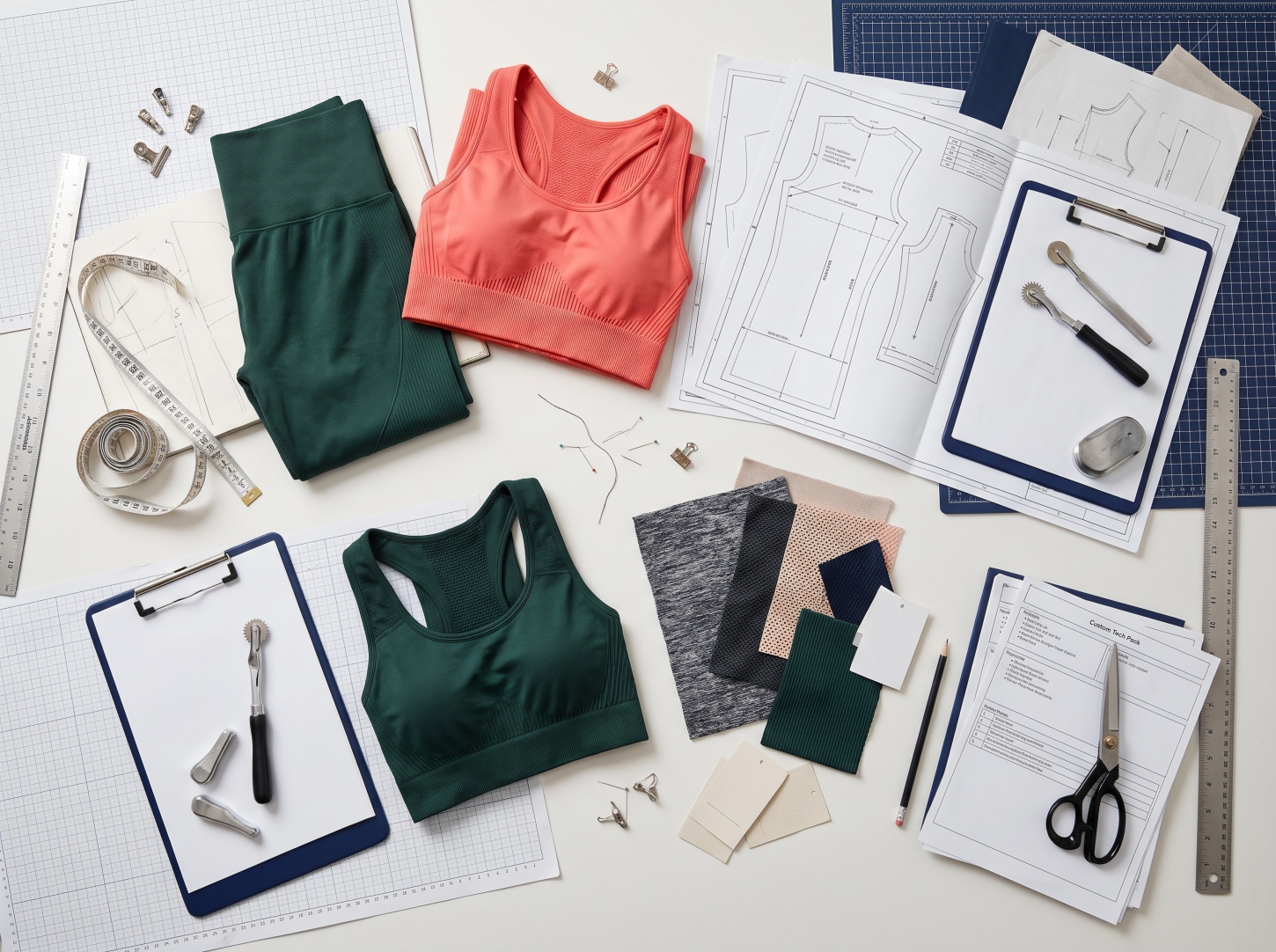
Prepare the product link or sketch, target market, size range, fit preference, fabric requirements, logo method, sample quantity, labels, packaging and delivery country. Include an existing chart if available, and identify which measurements can be adjusted after fitting.
To discuss a product-specific sample or wholesale quotation, contact Secondpagesport. If you are developing custom sports tops for fitness brands, include the preferred fit and size logic in the brief. A style-by-style request helps the manufacturer respond to the actual product instead of making assumptions about the whole collection.
FAQ
1. Is EU sizing the same as US sizing?
No. US and EU labels are not a universal one-to-one system across every brand or activewear category. Use conversion only as a starting reference, then compare bust, waist, hip and length measurements for the exact product. The brand and manufacturer should confirm the final chart through sample fitting for the target market.
2. How should a sports bra fit?
A sports bra should feel stable around the underbust without persistent pressure. The bust should remain contained without overflow or a visible gap, and the straps should not restrict movement. The required fit depends on the style and activity, so check the exact sample during movement before approving the chart for bulk production.
3. How do I measure for activewear leggings?
Measure the natural waist, hip at its fullest point and inseam with a soft tape. Keep the tape level and avoid pulling it tight. Record height when finished length matters. Compare these measurements with the exact leggings sample because rise, stretch, waistband construction and intended fit can change the final decision.
4. Can a manufacturer customize a US and EU size chart?
Yes, a manufacturer can discuss market-specific sizing based on the product, target customer and sample feedback.
5. Should a sports bra and leggings use the same size chart?
They may use the same letter label, but their measurement points and fit checks are different.
6. Should every activewear product use one universal size chart?
No. Product type, pattern, stretch and intended fit should be reviewed separately.
7. What information should be included in a size chart request?
Include the target market, product style, size range, body measurements, fit preference and sample requirements.
Build the chart around the product, not the label
An accurate activewear size chart starts with the target customer and ends with a tested product specification. US and EU references can make shopping easier, but body measurements, product category and sample feedback should guide the final decision. If you are developing private label activewear sets, send Secondpagesport your style, target market and size requirements to discuss a product-specific sample and wholesale quotation.